What is it?
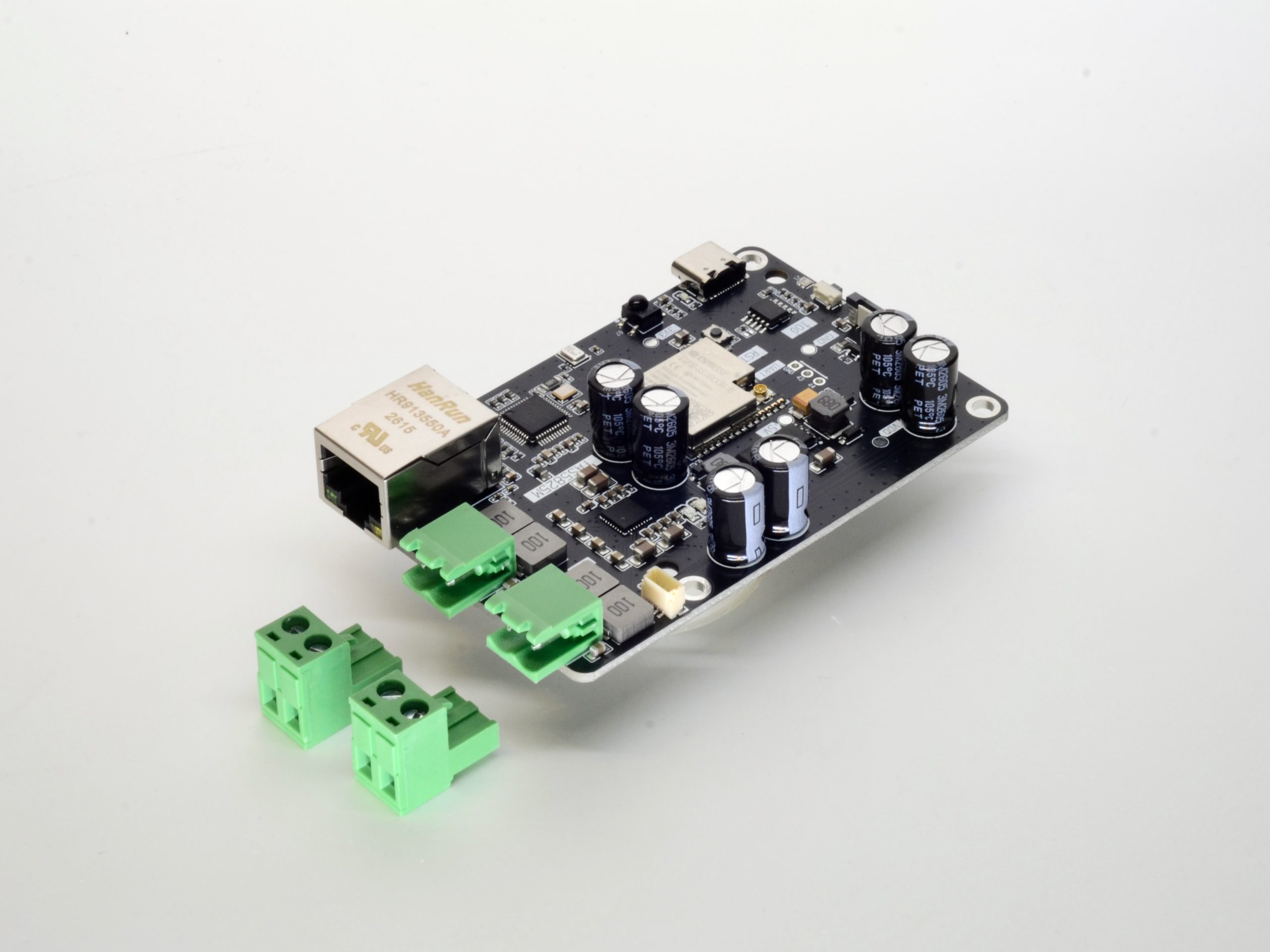
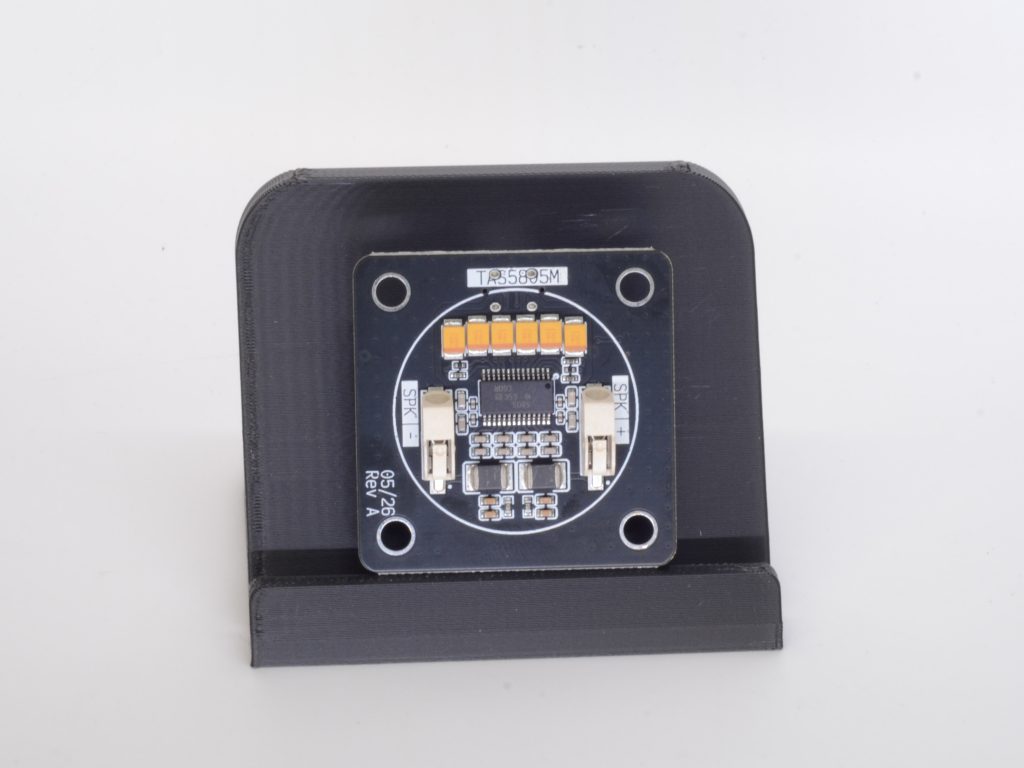
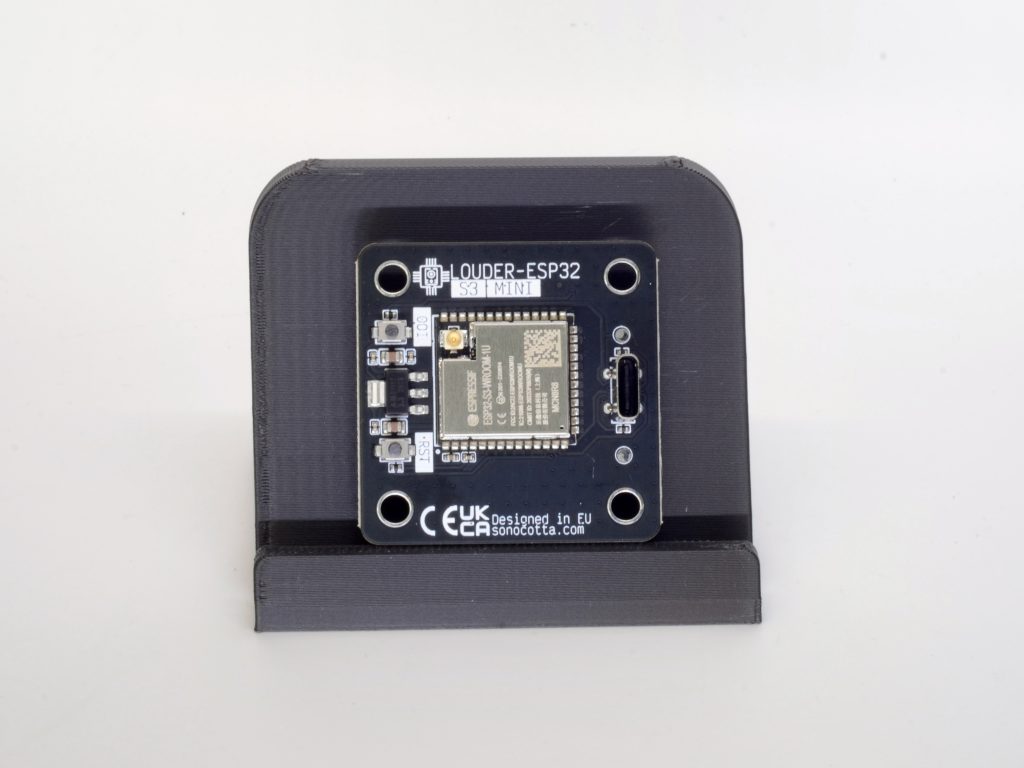
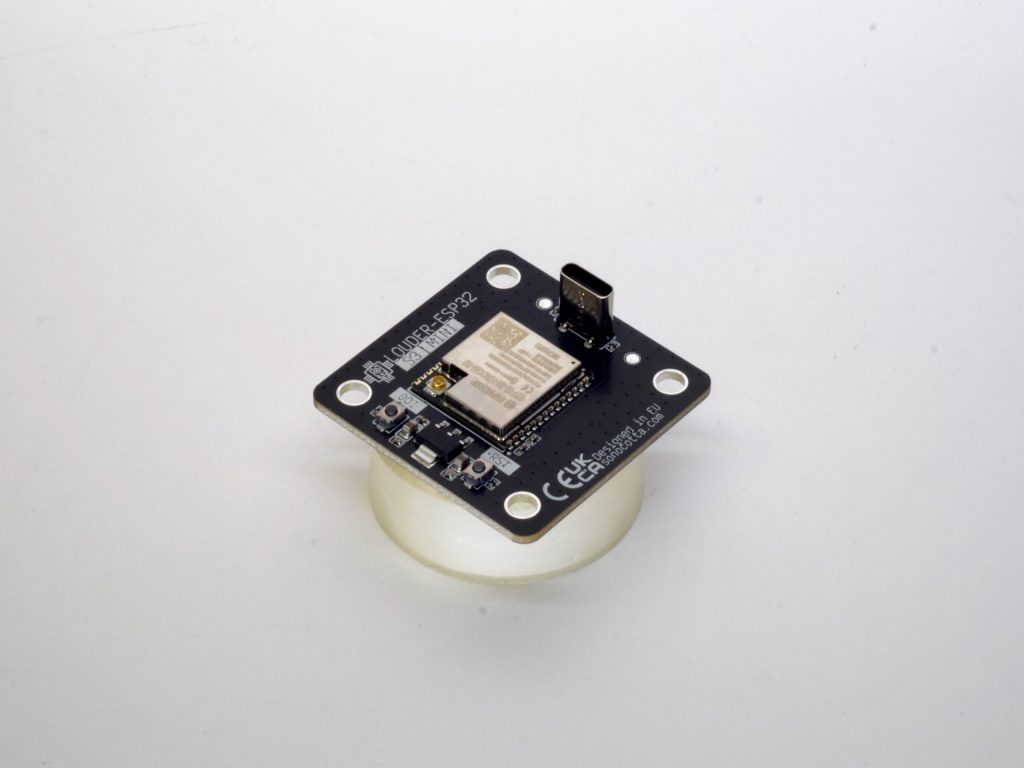
Louder-ESP32-Mini is a compact version of the Louder-ESP32, which would replace the standard speaker terminal on your old speakers, turning them into a hi-fi audio solution for your smart home.
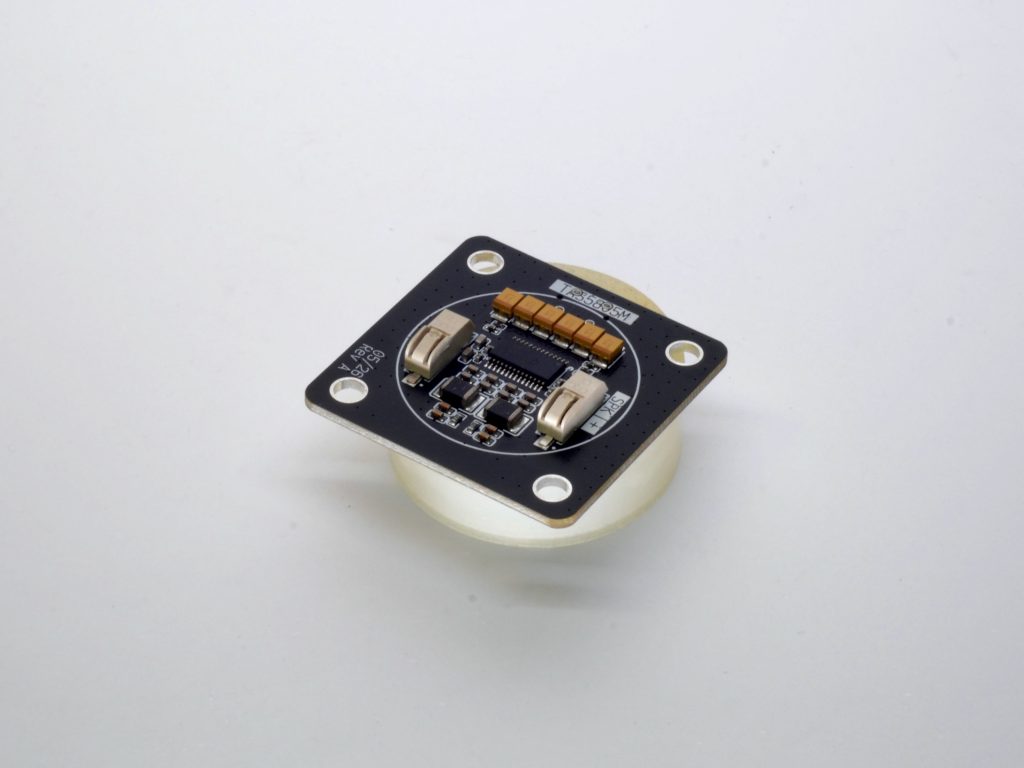
It comes in two sizes that are most common among off-the-shelf speakers: 42x42mm (small speakers typically) and 55x55mm (for larger models).
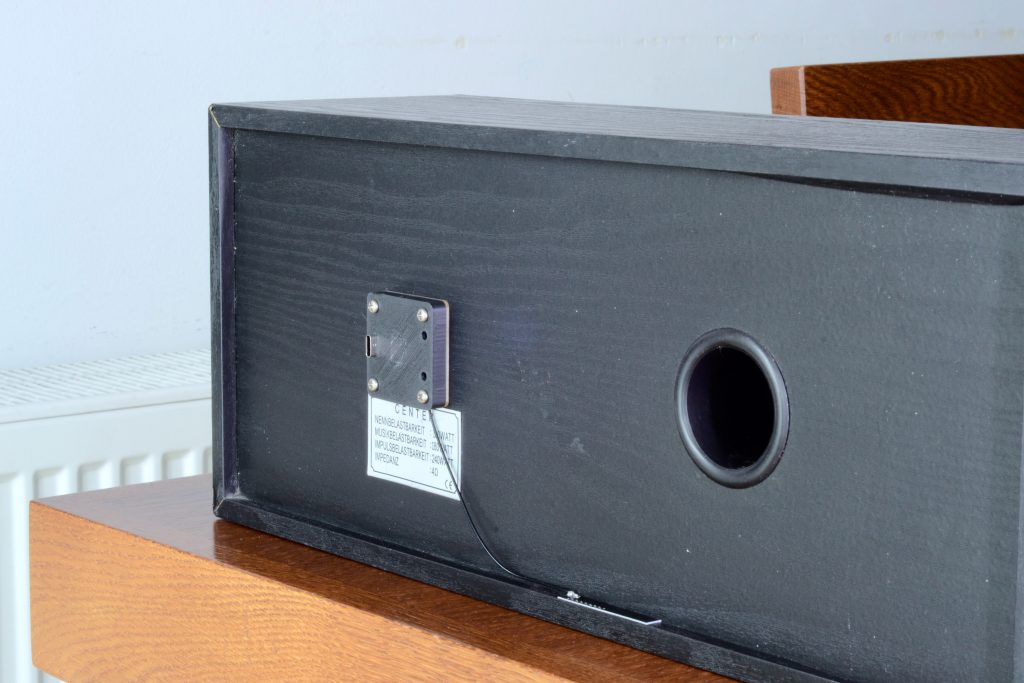
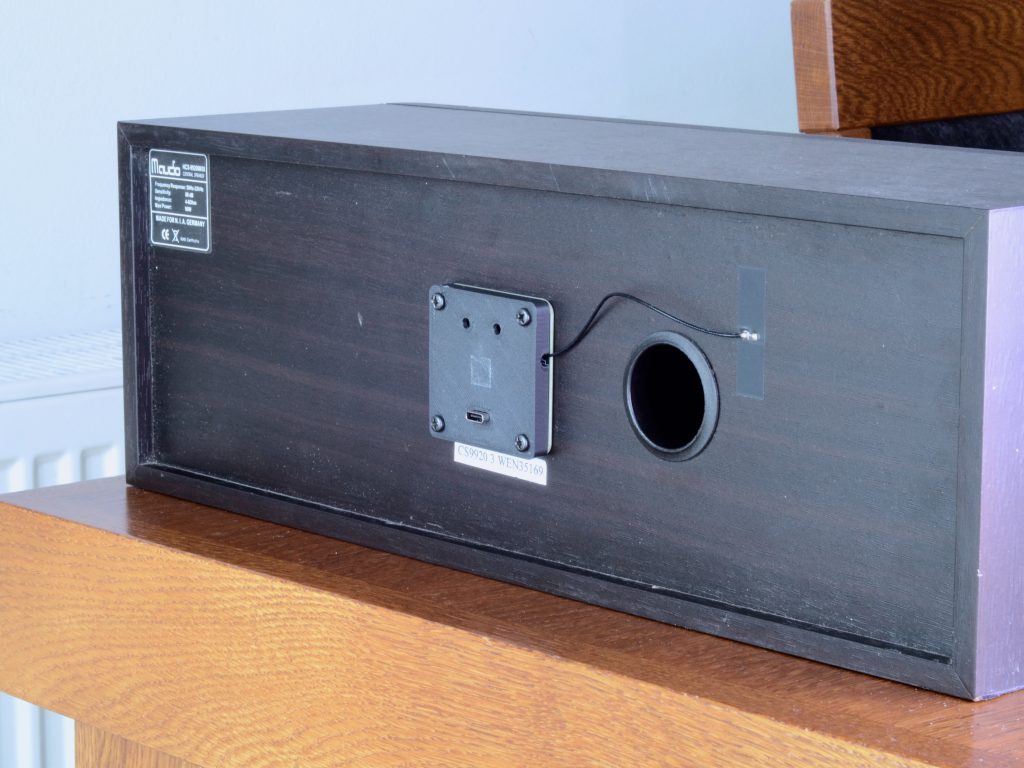
Louder-ESP32-mini is equipped with a high-quality TAS5805M DAC with powerful DSP features, allowing audio tuning to turn small speakers into high-quality audio streamers.
- Onboard ESP32-S3 with 8MB PSRAM is there to ensure enough horsepower for solid streaming capabilities.
- USB-PD trigger chip on the 55mm version for extra power
- DSP-enabled DAC that allows you to squeeze exactly the sound you want
It is designed to be as affordable as it can be, so more speakers can avoid landfills and be an integral part of smart homes instead. It uses minimal (if any) extra peripherals, and it requires no soldering to operate. The part choice was carefully done to make it production-friendly and affordable for everyone
Use cases
The main use case for the Louder-ESP32-mini is Home Assistant and Music Assistant integration via ESPHome, although it is there to fit your own needs and implement your ideas.
- Multi-Room Audio with Snapclient
Use Louder-ESP32-mini as a Snapclient endpoint to create perfectly synchronized multi-room audio systems. Ideal for distributed music playback without proprietary lock-in. - Standalone Player with Squeezelite-ESP32
Run Squeezelite-ESP32 for a self-contained network audio player supporting Spotify Connect, AirPlay, and Logitech Media Server (LMS) — no external computer required. - Educational Projects & Teaching Platforms
A powerful tool for technical education. Louder-ESP32-mini can be used to teach embedded systems, digital audio, networking, and open-source software. - Research, Prototyping & Experimentation
Well-suited for rapid prototyping of audio devices, proofs-of-concept, and research projects involving DSP, low-latency streaming, wireless audio, or human-machine interaction. - A Foundation for Custom Products & DIY Builds
With all firmware and tooling fully open source, Louder-ESP32-mini is a base for custom audio devices — whether you’re building a personal DIY project, a small production run, or a community-driven product.
Features
| Louder-ESP32-mini (42x42mm) | Louder-ESP32-mini (52x52mm) | Louder-ESP32 | |
| MCU | ESP32-S3-WROOM-N8R8 | ESP32-S3-WROOM-N8R8 | ESP32-WROVER-N8R8 | ESP32-S3-WROOM-N8R8 |
| DAC | Stereo I2S DAC (TAS5805M) with built-in D-Class amp | Stereo I2S DAC (TAS5805M) with built-in D-Class amp | Stereo I2S DAC (TAS5805M) with built-in D-Class amp |
| Output (2Ω, 1% THD+N) | 1x 5W | 1x60W | – |
| Output (4Ω, 1% THD+N) | 1x 3.5W | 1x45W | 2x 32W |
| Output (8Ω, 1% THD+N) | 1x 1.5W | 1x25W | 2x 23W |
| Flash/PSRAM | 8MB/8MB | 8MB/8MB | 8MB/8MB |
| Connectivity | WiFi + BLE | WiFi + BLE | WiFi + BT4.2 + BLE + Ethernet |
| Power requirement | USB power adapter, 5V | USB-PD power adapter, 5..20V | Generic power adapter 5..28V |
⚠️Louder boards will connect to passive speakers; you can’t use headphones or an external amp
💡Need to connect an external amp? Check out HiFi-ESP32 and Amped-ESP32
💡Don’t need DSP capabilities? Check out Loud-ESP32
💡Looking for a more feature-packed version? Check out Louder Esparagus
Use with speakers
Louder-ESP32-mini boards are mechanically compatible with many speaker models, so that you can upgrade them to be a smart speaker with nothing but a screwdriver. You can use a standard phone charger to power the device, with quick-charge adapters supported on the larger model for higher power output
Firmware
- Home Assistant
Start from the web-installer, as soon as you configure WiFi, the boards will be discovered by the ESPHome add-in automatically. Dedicated configs can be found in the documentation for simple and stable media-player, an experimental sendspin protocol, and an experimental snapclient component - AirPlay 1 & 2 with Sendspin and Bluetooth. Native, actively developed AirPlay 1 & 2 firmware (rbouteiller/airplay-esp32) with PTP multi-room sync, an experimental Sendspin renderer, and Bluetooth A2DP on the ESP32 revision. Flash straight from your browser with the web-installer — no toolchain needed. See AirPlay 2 support below for details.
- Squeezelite-ESP32*
Flash directly from your browser using the web-installer (work in progress), configure WiFi using Hotspot (default password: squeezelite). Don’t forget to exit Recovery mode when configured. - Snapclient*
Flash directly from your browser using the web-installer (work in progress), as soon as you configure the WiFi board, it will discover the snapserver automatically. The less stable and more feature-rich version for those who cannot wait for new features to be released, can be installed via the edge version web-installer - Your own software
Use Arduino IDE or Platformio IDE and the provided software samples
* Squeeezelite and snapclient have limited support of the ESP32-S3 at the moment. Issues are expected.
AirPlay 1 & 2
Squeezelite’s built-in AirPlay is a first-generation implementation. rbouteiller/airplay-esp32 is a standalone, open-source AirPlay 1 & 2 receiver for the ESP32 family — actively developed, with great work done by the community despite the lack of help from Apple.
It now supports HiFi-ESP32, Loud-ESP32, Louder-ESP32, and Louder-ESP32-Plus, and Amped-ESP32 out of the box, on both the ‘classic’ ESP32 and ESP32-S3 revisions, flashable straight from a browser — no toolchain required. Current features:
- AirPlay 1 & 2 — appears natively in Control Center and any AirPlay app, with PTP-based multi-room sync
- Sendspin (experimental) — an open multi-room protocol renderer sharing the same output path, DSP, and volume control as AirPlay
- Bluetooth A2DP on the classic ESP32 revision — phones and laptops can stream directly whenever AirPlay is idle (the ESP32-S3 has no Bluetooth Classic radio)
- On-device display — the optional OLED add-on, or the Louder-ESP32-Pro’s color TFT, shows track metadata and progress for AirPlay, Bluetooth, and Sendspin alike
- USB audio (UAC) — the ESP32-S3 revision can be built as a USB sound card for a connected computer, sharing the same DAC path
- Full DSP control on Louder-ESP32/Louder-ESP32-Plus — the TAS5805M/TAS5825M’s on-chip EQ is fully exposed: 15 cascaded biquad sections per channel, each an arbitrary peaking filter, shelf, high/low pass, band pass, notch, phase shift, or raw coefficients, plus a crossover builder (and, on the TAS5825M, full PurePath Console 3 tuning replay)
TAS58xx DSP: full parametric EQ and crossover control
AirPlay 2 support above isn’t just playback — it exposes the TAS5805M’s on-chip DSP in full from the board’s web UI:
- 15 biquad (BQ) filters per channel, usable as a full 15-band parametric equalizer
- Bi-amp filter configuration for 2-way speaker systems — split the signal between tweeter and woofer with independent filter chains per amplifier
- Low-pass filtering for subwoofer tuning and bass enhancement
- Generic filters for speaker and room equalization — peaking filters, shelf filters, and EQ sections with a configurable Q-factor, applied per channel individually or to both at once


Work in progress: REW (Room EQ Wizard) integration, to drive automatic room-correction algorithms directly from a measured response.
Using with Home Assistant
Both Louder-ESP32-mini versions were created specifically to be used with Home Assistant via ESPHome integration. For both boards, rich configs were pre-created with hardware configuration for common use cases. These include
- Sendspin media player – new experimental protocol for multi-room sync with media controls and extra features
- Standard and stable version of the media_player component for simple and robust media playback and TTS announcements with ducking effect
- An experimental snapclient component that allows near-perfect multi-room sync and seamless integration with Music Assistant
Configurations are being actively maintained and upgraded, and new experimental components are added for you to test and enjoy
Speakers compatibility
Most of the speakers with 42mm or 55mm square terminals would work without any mechanical work needed. Smaller terminals can be extended for Louder-ESP32-mini use with basic mechanical work
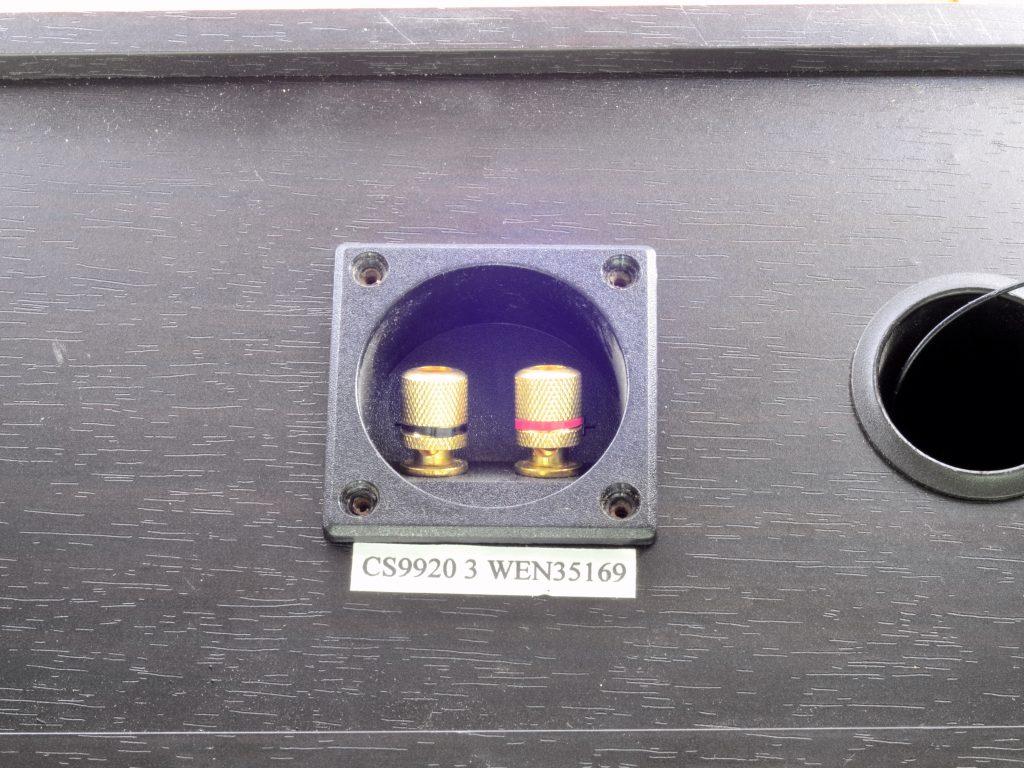
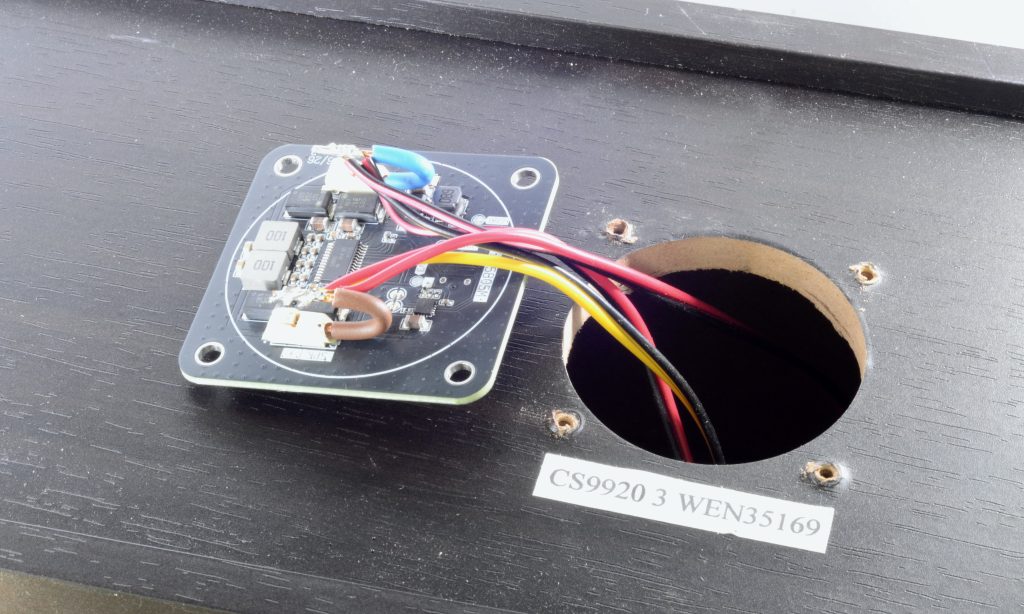
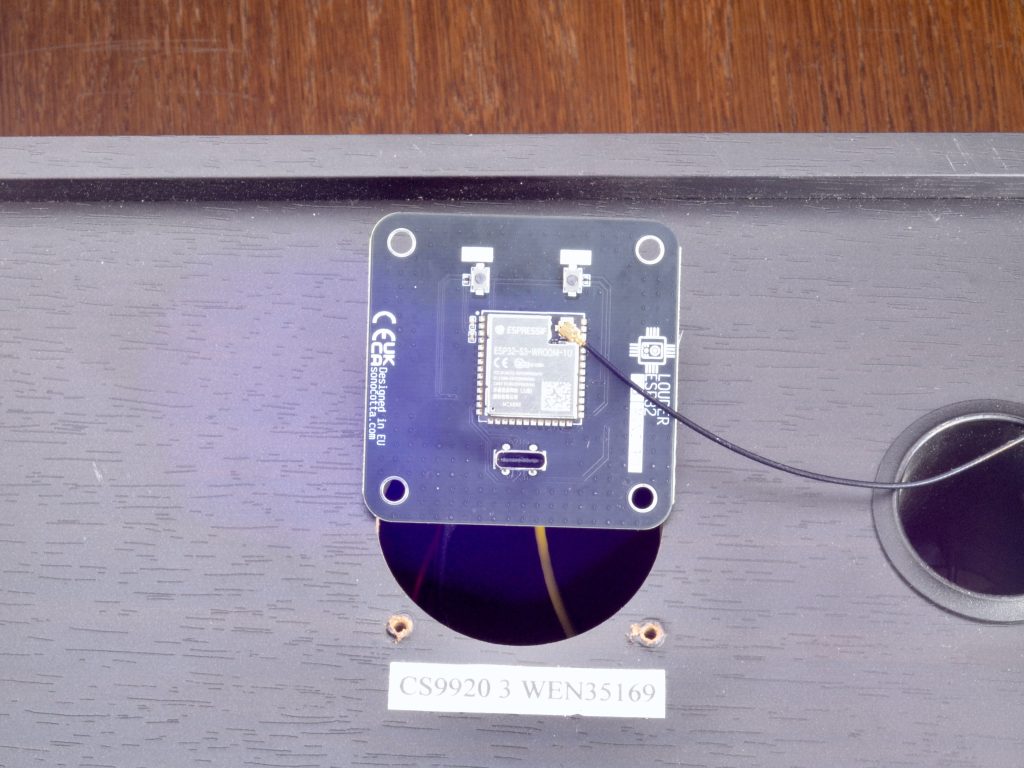
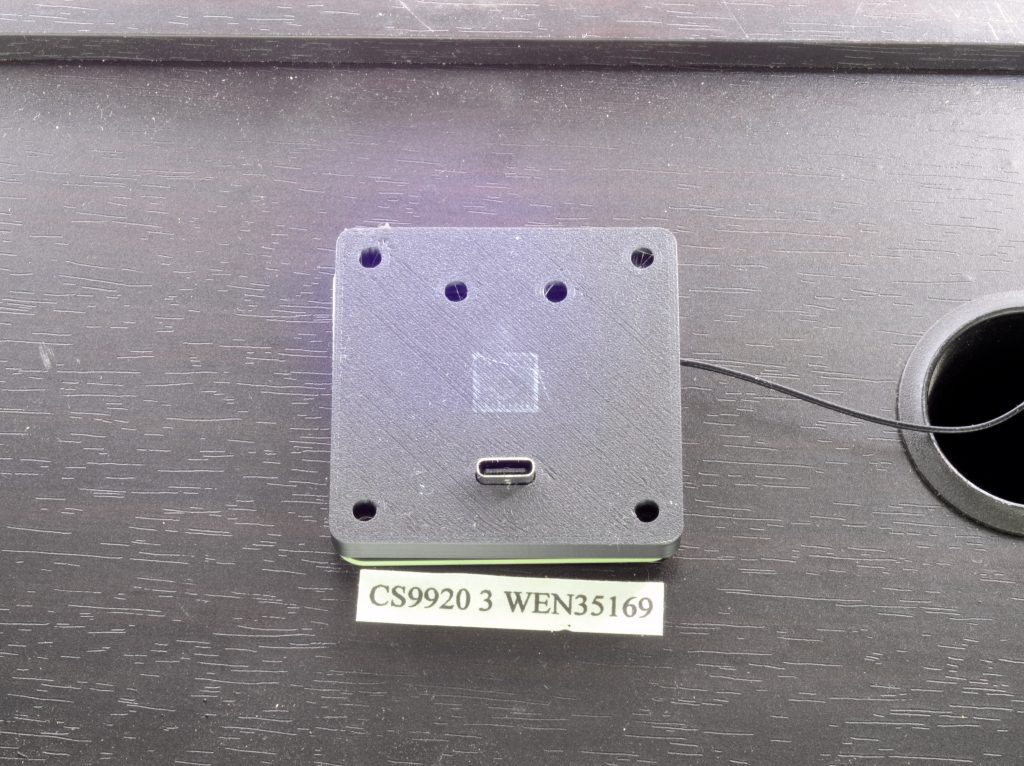
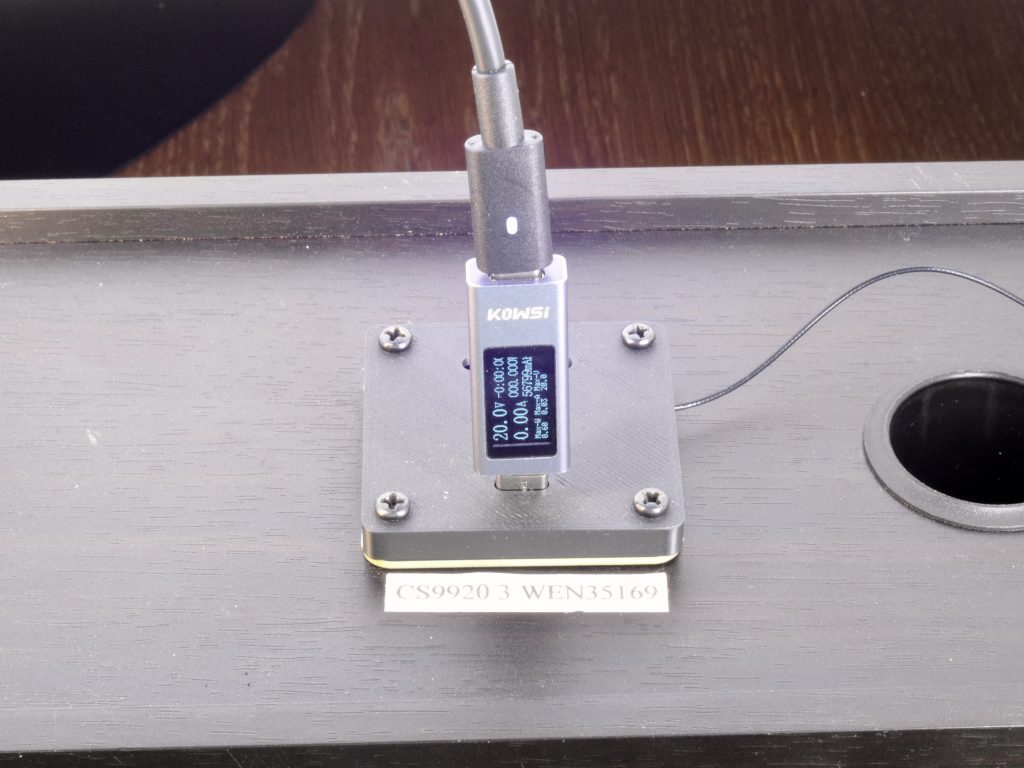
The main benefit of the 55mm model is an onboard USB PD-trigger chip that allows use with 65W USB-C power adapters. Compared to the 5W limit of the 42mm model, this gives a healthy power headroom when used with larger speakers.
Protective shell
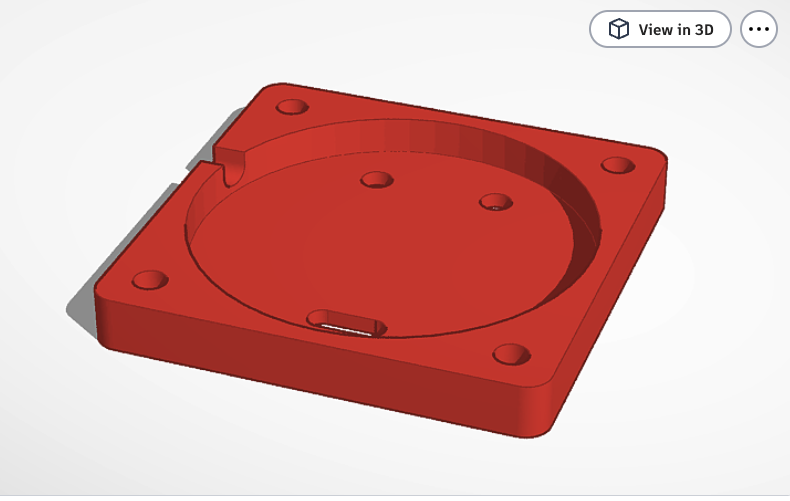
Since the vertical USB-C power port is not really intended to be used under lateral forces, it is highly recommended to use a 3D-printed shell that adds horizontal support. It can be found on Tinkercad (42mm and 55mm models) or ready-to-use files in the project repo
Louder-ESP32 Mini USB-PD note
While the 55mm variant has a Hynetek HUSB238A USB-PD trigger chip, capable of pulling more power from the PD-enabled power adapters (most commonly modern laptop power adapters), there are certain limitations to the way it can be used.
The chip allows two modes of operation: (a) “Dumb” GPIO mode, where voltage is requested via pin configuration and no code is needed; it will work right from the start; and (b) “Smart” mode, where voltage /curent is requested via I2C and reported back to the host.
The default mode of operation of the Louder-ESP32-Mini (55mm) is “Smart” mode, which requires an I2C driver that actively sets the required voltage on start. Note that the HUSB238A is a different part from the plain HUSB238 targeted by ESPHome’s upstream husb238 component (PR6693/PR16572) — it has a much larger register map and gates every command behind an ENABLE bit the plain chip doesn’t have, so that component silently no-ops on this board. A dedicated esphome-husb238a external component was built for the actual chip and is wired into the 55mm board’s firmware configs — still a work in progress, but usable today.
However, it is fairly easy to change the mode of operation to GPIO, so it would always require the maximum available power from the power adapter. For this, you need to make two changes:
- Cut the I2C line from the MCU – it will set the voltage and current to the maximum available
- Remove the 1M resistor marked with (*) – it will force GPIO mode
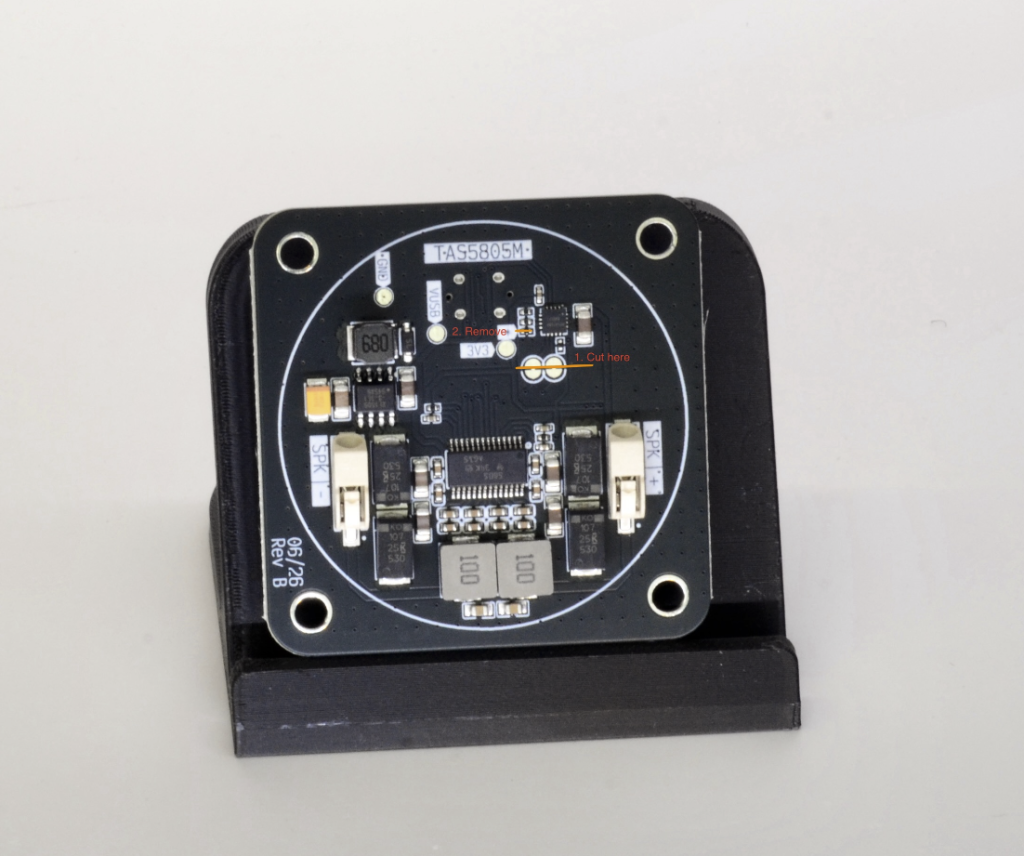
If you decide to go with the change, since your software can’t trigger higher voltage, I advise not to remove the resistor completely, but disconnect it on one end – this way you can go back to “Smart” mode later on.
Documentation
Both software and hardware are fully open-sourced and can be found on the project’s GitHub. You can follow the project updates at Hackaday
Where to buy
You may support our work by ordering this product at Tindie and Elecrow
Sponsorship & Community Support
If you’re working on an open-source project, an educational initiative, or any pro-bono/volunteer effort, feel free to reach out for sponsorship details. I’ll do my best to provide discounts or even free boards.
Custom Design & Consultation
If you’re interested in a custom design based on or inspired by my boards, I also offer contract design work and consultation when needed.
In the press
Thrift Store Hi-Fi: Sonocotta & Sendspin Magic
Sonocotta’s Louder ESP32 Mini Upgrades Your Old Speakers – hackster.io
Short video review
Related posts